
How to Care for Flappers in Climbing: Treatment, Healing, and Prevention Tips
Contents
- Key Takeaways
- What Is a Climbing Flapper?
- How to Tape a Flapper (So You Can Keep Climbing)
- 1. Clean Your Hands Thoroughly
- 2. Cut Off Any Hanging Skin
- 3. Rinse the Area Again
- 4. Place a Bandage as a Base Layer
- 5. Wrap with Climbing Tape
- Aftercare: How to Care for Flappers
- 1. Cut Away Hanging Skin
- 2. Use Climber’s Balm at Night
- 3. Tape the Area During Climbs
- Ways to Reduce the Risk of Climbing Flappers
- 1. Keep Hands Well Chalked
- 2. Protect Weak Spots With Tape
- 3. File Down Thick Calluses
- 4. Use Hand Balm at Night
- 5. Limit Exposure to Hot Water
- Climbing Skin Care FAQs
- How many days does a torn flapper need to recover?
- Is it safe to climb with torn skin?
- How often should climbers sand down calluses?
- Can standard hand lotion replace climbing balm?
- Common Questions About Climbing Skin Tears
- What steps help a torn callus heal properly?
- How should climbers tape their fingers to protect the skin?
- Do certain grip styles lower the chance of getting flappers?
- What care should climbers follow after getting a skin tear?
- How long should climbers rest to let skin recover?
- Sources
Climbers often deal with torn skin on their fingers, known as flappers. These injuries can hurt and interrupt a session, but they are common in the sport. With the right knowledge, most climbers can manage them without much trouble.
Understanding why flappers happen helps climbers treat them the right way and lower the risk of getting them again. Simple care steps and smart habits can keep skin healthy and ready for the next climb.
Key Takeaways
- Climbers can manage torn skin with proper care and basic first aid.
- Simple taping methods allow many climbers to continue safely.
- Good skin care and smart habits help reduce future injuries.
What Is a Climbing Flapper?
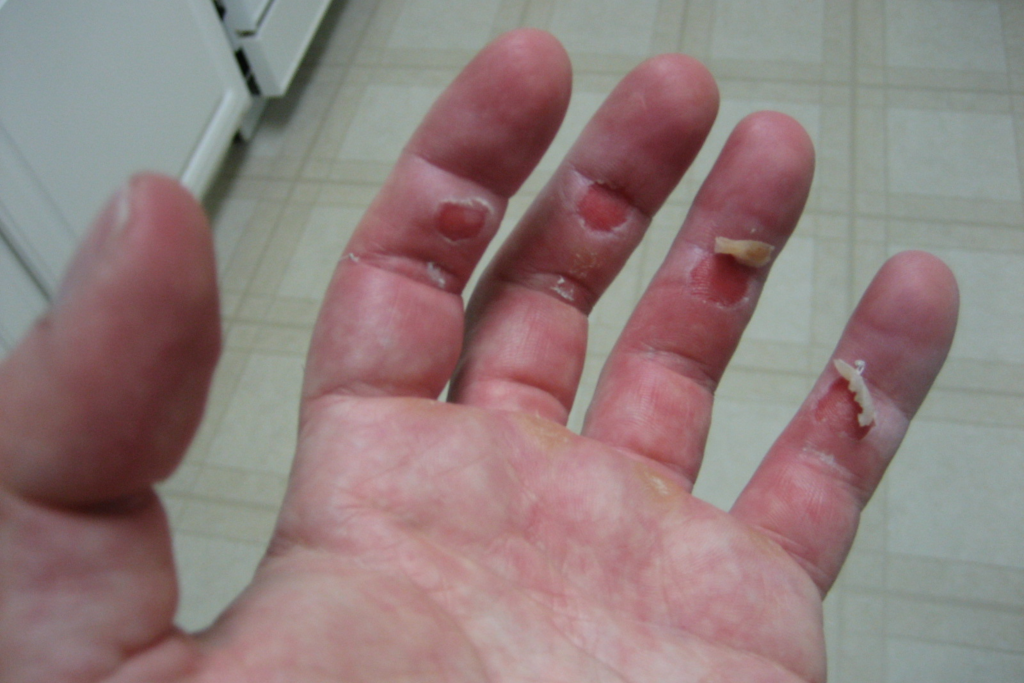
A climbing flapper is a skin tear on the hand caused by repeated rubbing against rough holds. Climbers often see it after gripping sharp rock or textured gym holds. The top layer of skin pulls back but stays partly attached, which gives the injury its name.
Most flapper climbing injuries appear on the pads of the fingers or the palm side of the hand. A climber may feel a sudden sting after slipping or readjusting a grip. When they look down, they often see a loose piece of skin hanging from the area.
Both new and experienced climbers get climbing flappers.
- Beginners lack thick calluses, so their skin tears more easily.
- Experienced climbers build calluses, but thick skin can rip if it catches on a hold.
A rock climbing flapper can happen indoors or outdoors, though rough natural rock increases the risk. Sweat, long sessions, and strong grip pressure also raise the chance of skin damage.
Climbers treat flappers quickly to reduce pain and lower the risk of infection.
How to Tape a Flapper (So You Can Keep Climbing)
1. Clean Your Hands Thoroughly
A flapper is an open wound, so he or she should treat it with care. Start by washing your hands with soap and water.
Remove all chalk, dirt, and sweat from the skin. Clean skin lowers the risk of infection and helps tape stick better.
If water is not nearby, use a clean wipe and wash properly as soon as you can. Pat the skin dry before taping.
2. Cut Off Any Hanging Skin
Loose skin can catch on holds and make the injury worse. Trim it away before taping.
Use small scissors, nail clippers, or a clean blade. Cut only the dead, hanging skin, and avoid healthy tissue.
Work slowly and keep the tool steady. Clean cuts heal better and make taping easier.
3. Rinse the Area Again
After trimming, rinse the exposed skin with cool or lukewarm water and mild soap. This removes debris and lowers the risk of infection.
The American Academy of Dermatology’s advice on minor cuts calls for gentle washing with soap and water rather than harsh antiseptics.
4. Place a Bandage as a Base Layer
Do not place climbing tape directly on the raw skin. The adhesive can stick to the wound and cause pain when removed.
Cover the flapper with a small adhesive bandage first. The soft pad protects the area and adds comfort.
If a bandage is not available, fold a short strip of tape over itself to create a non‑sticky pad. Place this layer over the wound before taping.
5. Wrap with Climbing Tape
Now apply climbing tape to secure everything in place. Use firm, even pressure without cutting off circulation.
Wrap the tape around the finger to anchor it, then cross over the bandaged area. Keep the tape smooth to avoid bunching.
Press the tape down so it sticks well. Good taping supports the skin and allows him or her to keep climbing with less irritation.
Climbers should carry climbing tape in their gear bag. It is a simple tool that helps manage small injuries and stay on the wall longer.
Aftercare: How to Care for Flappers
Proper skin care helps climbers treat flappers and shorten healing time. A clean and flat callus tear heals faster and with fewer problems. Follow these steps to manage a flapper the right way.
1. Cut Away Hanging Skin
Loose skin around a flapper can catch on holds and slow healing. It can also tear again and make the wound larger.
Use clean nail clippers or small scissors to trim the dead skin. Do not pull it off by hand. Trim it down so the area feels smooth and even with the surrounding callus.
A flat surface helps the body repair the skin. This step is key when learning how to treat flappers correctly.
2. Use Climber’s Balm at Night
Moisture supports skin repair. After washing the hands, apply a thick layer of climbing balm directly over the flapper before bed.
Nighttime works best because the skin can rest for several hours. Repeat this routine daily until the area closes and new skin forms.
Regular balm use is a simple but effective part of a flapper’s skin care.
3. Tape the Area During Climbs
Climbing on an open callus tear can make it worse. Friction may reopen the wound and delay healing.
Cover the flapper with climbing tape before starting a session. Wrap it snugly but not too tightly.
Tape protects the skin and reduces pain while the climber continues to train.
Ways to Reduce the Risk of Climbing Flappers
1. Keep Hands Well Chalked
Dry hands slide less on holds. When skin slips, it rubs harder against the surface. That friction often leads to torn skin and flaps.
Climbers should use chalk or liquid chalk often during a session. Reapply before your hands become sweaty. This small habit can help prevent climbing flappers, especially on long routes or rough holds.
A chalk bag within easy reach makes it simple to stay consistent.
2. Protect Weak Spots With Tape
Skin sometimes feels thin or sore before it tears. Paying attention to these early signs helps with preventing flappers.
If a climber notices a hot spot, they should wrap the area with athletic tape. Cover the spot smoothly without cutting off blood flow. Taping early can stop a small weak point from turning into a large flap of skin.
Many climbers keep a small roll of tape in their bag for this reason.
3. File Down Thick Calluses
Calluses protect the hands, but thick ridges can catch on holds and rip. Regular care keeps them smooth and even.
Climbers should check their hands often and use a skin file or fine sandpaper when needed. A climbing-specific file works well and fits easily in a gym bag.
Do not remove too much skin. Filing too deeply leaves the hands raw and raises the risk of injury. The goal is to keep calluses flat, not to remove them fully.
Quick tips for callus care:
- File after showering when skin feels soft
- Focus on raised edges
- Stop if the skin feels tender
4. Use Hand Balm at Night
Skin heals during rest. Applying climbing balm before bed supports this process.
Most balms contain waxes and oils that keep skin flexible. Flexible skin resists cracking and tearing better than dry skin.
A small amount rubbed into each fingertip and palm can improve skin health over time. Regular use helps prevent flappers and other minor skin splits.
5. Limit Exposure to Hot Water
Hot water dries out the skin. Dry skin tears more easily under pressure.
Climbers should avoid long exposure to very hot water, especially after a session. Washing hands with warm, not hot, water helps protect natural oils.
Simple daily habits like this make it easier to avoid flappers and keep hands ready for the next climb.
Climbing Skin Care FAQs
How many days does a torn flapper need to recover?
Recovery time depends on the size and depth of the tear. Small flappers often feel better within a few days, while deeper ones can take one to two weeks to fully close.
He or she should trim loose skin with clean scissors and keep the area clean. Using climbing skin care products like balm can support repair without making the skin too soft. If sweaty palms are slow to heal, drying agents such as antihydral may help when used with care.
Is it safe to climb with torn skin?
Many climbers continue to climb with a flapper. They should remove loose skin first so it does not catch on the holds. Taping the finger can reduce friction and protect the area. If the wound feels painful or keeps reopening, rest is the better choice.
How often should climbers sand down calluses?
They should check their hands before each session. Filing thick or uneven spots once or twice a week works for most people. Smooth calluses lower the risk of tearing. A small file or sandpaper helps keep the surface even.
Can standard hand lotion replace climbing balm?
Regular lotion often softens the skin too much. Soft skin can increase the risk of flappers. Climbing balm supports healing while keeping the skin firm. For sweaty palms, some climbers use antihydral instead of lotion to manage moisture.
Common Questions About Climbing Skin Tears
What steps help a torn callus heal properly?
A climber should clean the wound right away with water and mild soap. He or she should trim loose skin with clean scissors if needed.
After cleaning:
- Apply a thin layer of petroleum jelly or antibiotic ointment to keep the wound moist.
- Cover it with a sterile bandage.
- Change the dressing daily.
He or she should watch for redness, swelling, or pus, which may signal infection. If you see those signs, a fever or a red streak spreading from the wound, or the tear is deep or won’t stop bleeding, MedlinePlus advises contacting a health care provider.
How should climbers tape their fingers to protect the skin?
Tape can reduce friction and support damaged skin. Many climbers use:
- Simple wrap method: Wrap tape around the finger once or twice without cutting off blood flow.
- H‑tape method: Cut the ends of the tape to create anchors above and below the joint.
Tape should feel secure but not tight. It does not replace rest, but it can protect healing skin.
Do certain grip styles lower the chance of getting flappers?
Yes. Open‑hand grips place less stress on the skin than sharp crimp positions.
Climbers can reduce risk by:
- Avoiding sudden dynamic moves when tired
- Adjusting hand position often
- Filing thick calluses to keep edges smooth
Smooth skin edges tear less than thick, raised calluses.
What care should climbers follow after getting a skin tear?
After the climb, they should:
- Wash their hands to remove chalk and dirt
- Keep the wound moist with petroleum jelly and covered with a bandage
- Use moisturizer on the surrounding skin
Keeping the rest of the hand healthy helps prevent new tears. They should avoid picking at healing skin.
How long should climbers rest to let skin recover?
Healing time depends on the size of the tear. Small flappers may improve in a few days. Larger ones may take one to two weeks.
Climbers should wait until:
- The wound closes
- Pain decreases
- New skin forms
Returning too soon can reopen the injury and delay healing.
Sources
- How to Treat Minor Cuts, American Academy of Dermatology
- Cuts and Puncture Wounds, MedlinePlus (National Library of Medicine)


